Behavioral experiments that run on the phones people already carry
Lens runs surveys, reaction-time tasks and live economic games in the browser, from one study file you can post on Prolific. Jamasp adds the sleep, heart-rate and activity data from participants' own Fitbits.
Lens
In use since 2018. Version 2.0 came out in October 2026.
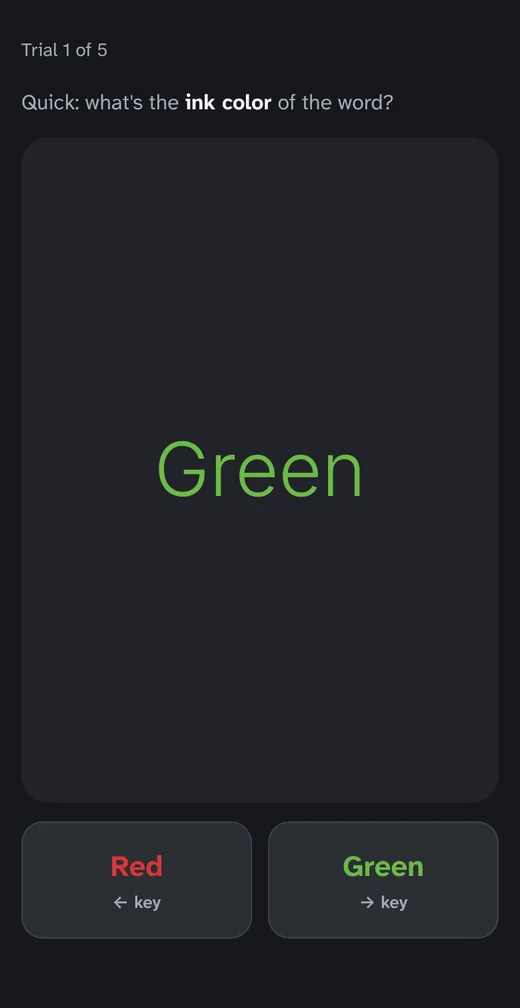
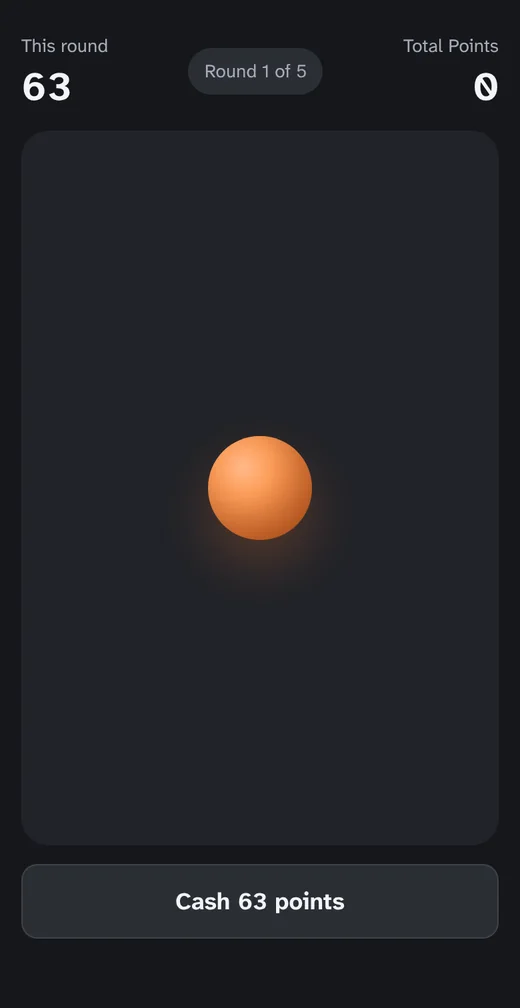
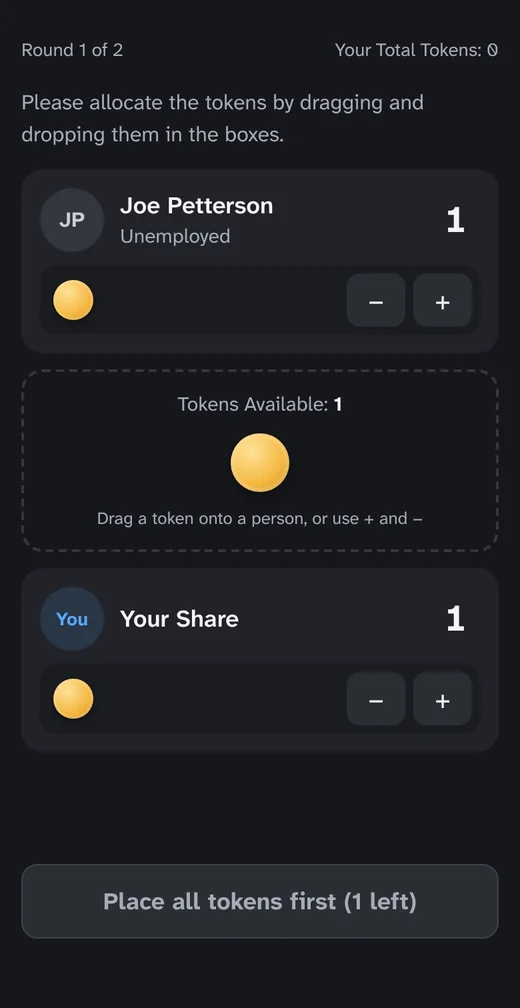
A study is a list of pages: survey questions, Stroop, Go/No-Go, N-back, the balloon risk task, dictator and ultimatum games, and a dice allocation task. Lens shows them in order, on a phone or a computer, in English, Persian or Arabic, and saves each participant's answers with the settings that produced them.
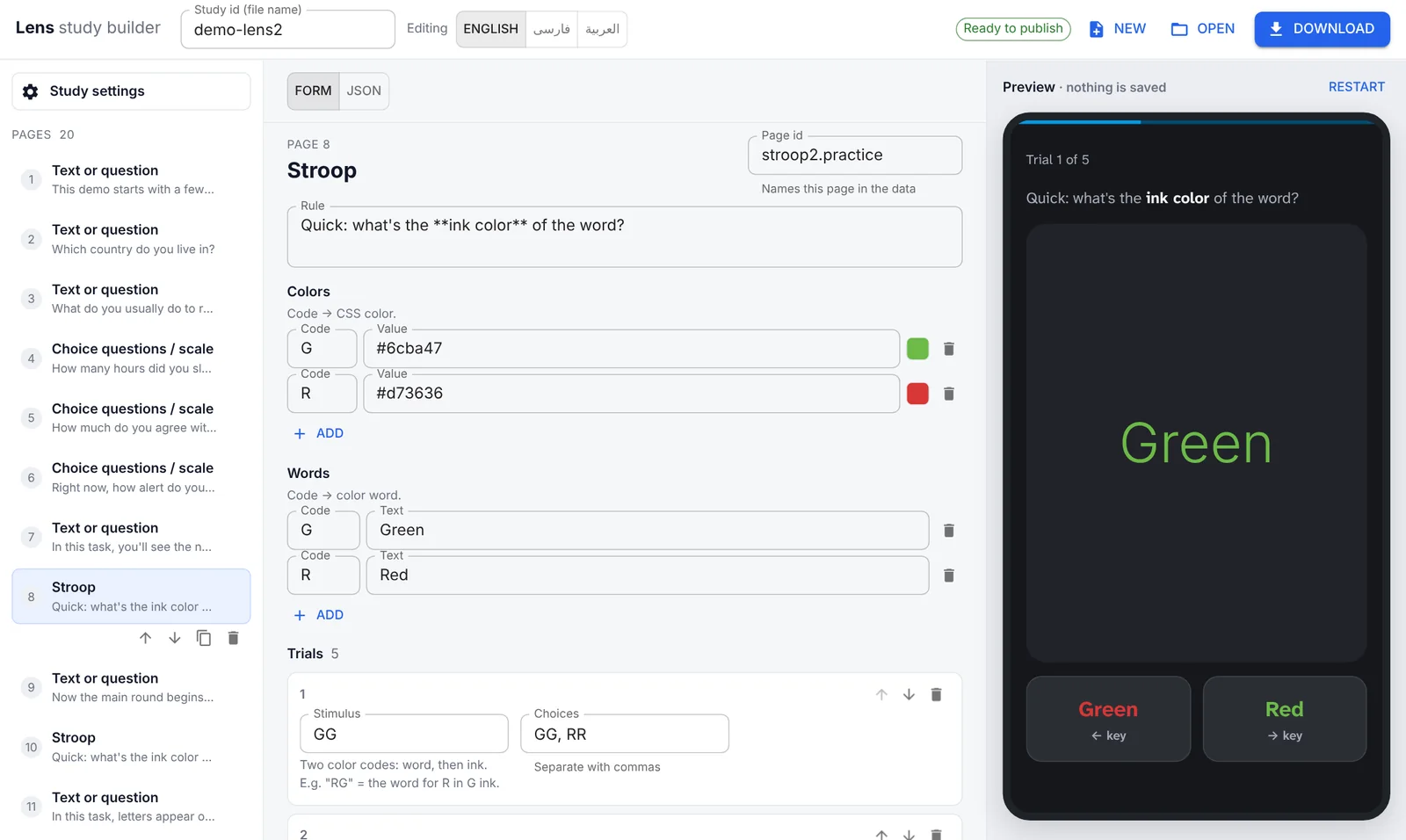
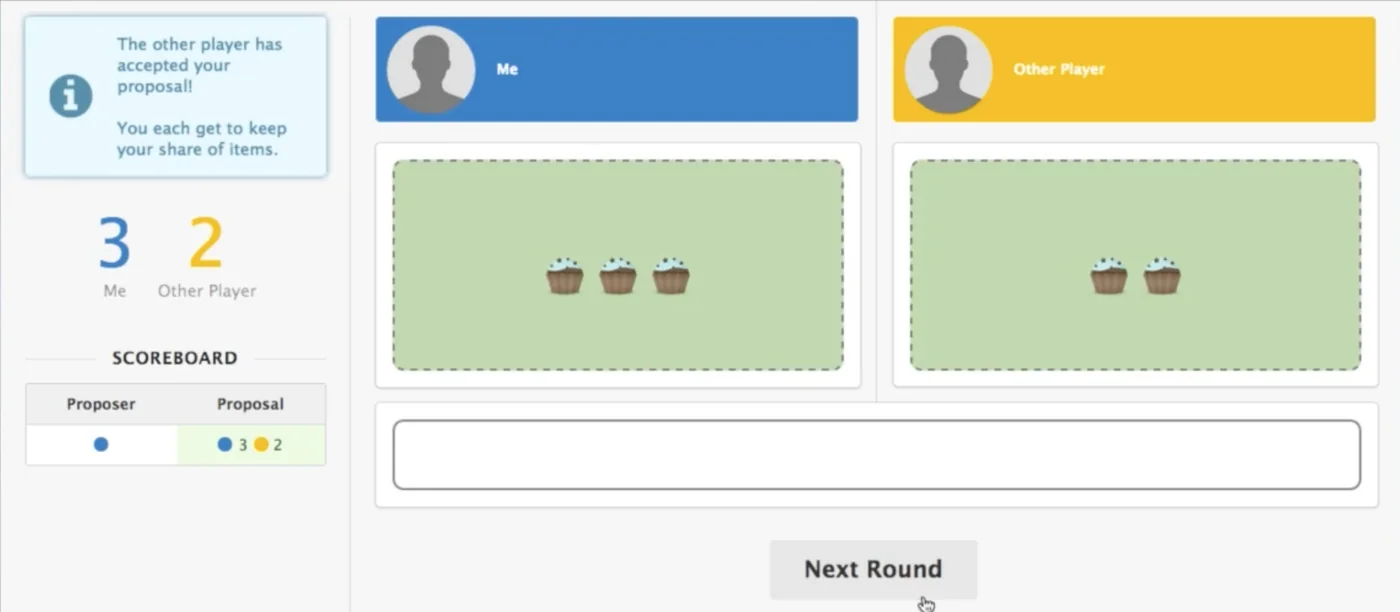
New in 2.0: a study builder that shows each page as participants will see it, and two-player games where participants are paired as they arrive, with a computer partner if no one else does.
Jamasp
Piloted in 2025 with 41 participants over 65 days.
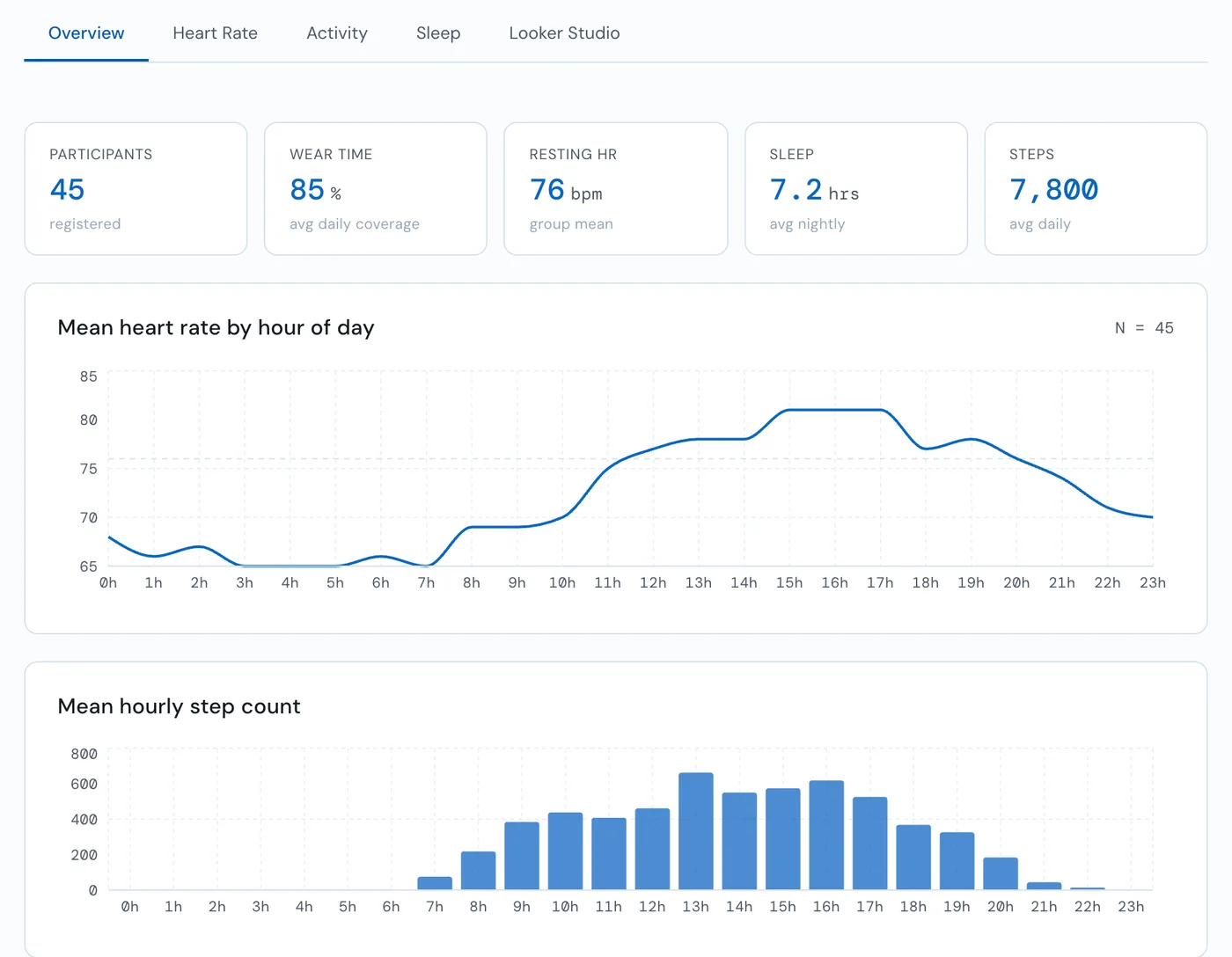
Jamasp recruits people who already own a Fitbit through Prolific. Once they consent and link their device, it collects their sleep, heart-rate and activity data automatically, and researchers follow each study from a dashboard.
Case studies
Studies run with these tools.
Students design a dictator game
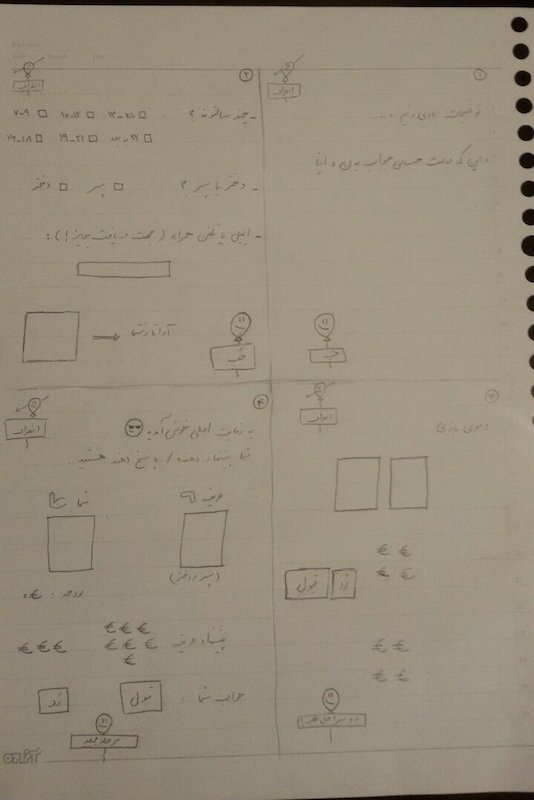
A group of students at a NODET high school in Iran asked to use Cut for a school project. They wanted to know how people play a dictator game with a man versus a woman. They designed the study themselves, sketched its screens, and wrote six profiles, three men and three women, each with a name, an age and a hobby. Mostafa Salari Rad and Morteza Ansarinia built the experiment with them; they collected the data, presented it as a poster at a local Brain Bee competition, and won a prize.

Fasting, risk and shared resources
Why do communities fast together? This paper tested whether collective fasting makes people more cautious and, through that, more restrained with shared resources. In a study run in Lens (the paper calls it Cut), 283 Muslims from the UK, the US and elsewhere took the balloon risk task and six resource dilemmas, during Ramadan 2020 and again after it. In each dilemma, five people privately asked for points from a shared pool of uncertain size, and no one got anything if the requests added up to more than the pool held. During Ramadan, participants cashed in their balloons sooner and asked for fewer points (about 148 versus 179). Those whose risk-taking dropped more also asked for less, while trust and social preferences did not change.
Rad, M. S. (2023). From self-deprivation to cooperation: How Ramadan fasting influences risk-aversion and decisions in resource dilemmas. Current Research in Ecological and Social Psychology, 5, 100152. doi:10.1016/j.cresp.2023.100152
Fasting and cognitive control
Does going without food make it harder to stay focused when food is on your mind? 190 people who fasted during Ramadan took a cognitive-control task, unrelated to food, in Lens once during Ramadan and once after it, alongside a group who did not fast. When food was made salient, fasters were slower and less accurate during Ramadan than after it, while the comparison group performed the same both times. During Ramadan, performance also tracked how recently fasters had last eaten.
Rad, M. S., Ansarinia, M., & Shafir, E. (2023). Temporary self-deprivation can impair cognitive control: Evidence from the Ramadan fast. Personality and Social Psychology Bulletin, 49(3), 415–428. doi:10.1177/01461672211070385
Can fasting train self-control?
If self-control improves with practice, a month of holding back from food and drink might leave people better at inhibiting responses. 173 people who fasted during Ramadan and 222 who did not took inhibitory-control tasks in Lens before, during and after Ramadan. Both groups got faster and more accurate over time, and the fasters improved more. The gain in accuracy appeared only among fasters who rated their own self-control as high, which points to motivation as part of what makes practice work.
Rad, M. S. (2025). Self-deprivation and cognition in Ramadan: Could fasting practice improve inhibitory control? Religion, Brain & Behavior, 234–259. doi:10.1080/2153599X.2025.2487277
Private rituals and generosity
Visible sacrifice can signal commitment to others, but fasting is mostly private. Does it still make people more generous? Three studies from 2023 to 2025 followed people who fasted during Ramadan and non-Muslim comparison groups through the month, with incentivized giving tasks in Lens. Fasting by itself was not linked to more generosity. Fasters gave more to anonymous recipients only when questions at the end of the survey prompted them to reflect on their fast and on others who fast, and when they knew who the recipient was, they favored members of their own religious group.
Rad, M. S. Private rituals, public in mind, and the shifting scope of religious prosociality: Evidence from Ramadan. Preprint. Read the preprint
Try it
Each link opens a working demo. Change /en at the end of the address to /fa or /ar for Persian or Arabic.
- Survey pagesText, country, choice and slider questions
- StroopName the ink color, not the word
- Go/No-GoRespond to consonants, hold back on vowels
- Two-choice taskSame side for blue, opposite side for yellow
- N-backIs this letter the same as two letters ago?
- Balloon risk task (BART)Pump for points before the balloon pops
- Dictator gameSplit tokens with another person
- Ultimatum gamePropose a split they can accept or reject
- Dice allocationDecide which die is yours, roll, then hand them out
- Live two-player gameOpen it in two windows, or wait 20 seconds for a computer partner
- Everything in one studyAll the Lens 2 tasks and survey pages
The original Lens designs (release v1.0) still run every earlier study unchanged:
2-alternative forced choice,
task switching,
simplified task switching,
and every classic task in one study.